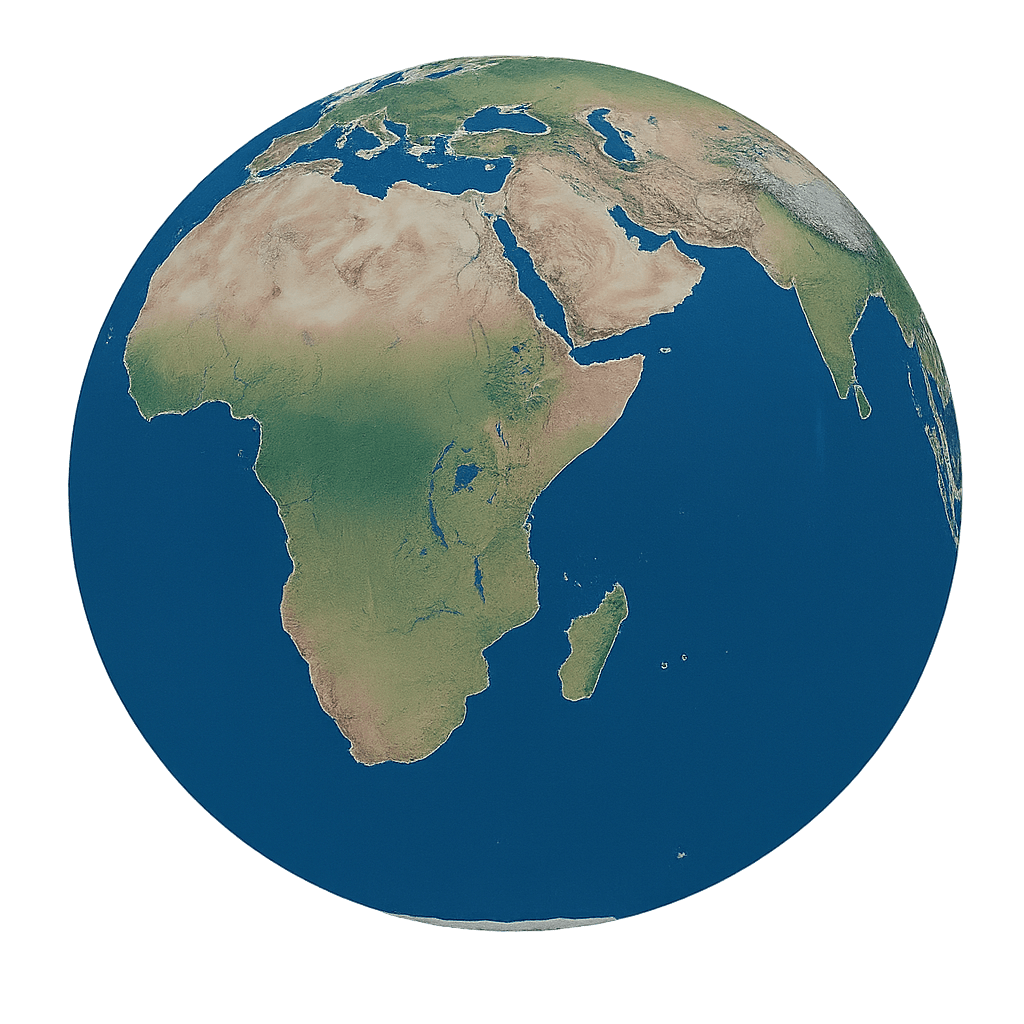

Genesis Systems Readies Deployment of U.S. Made WaterCube Air to Water Generators to Block Iran's Weaponization of Water
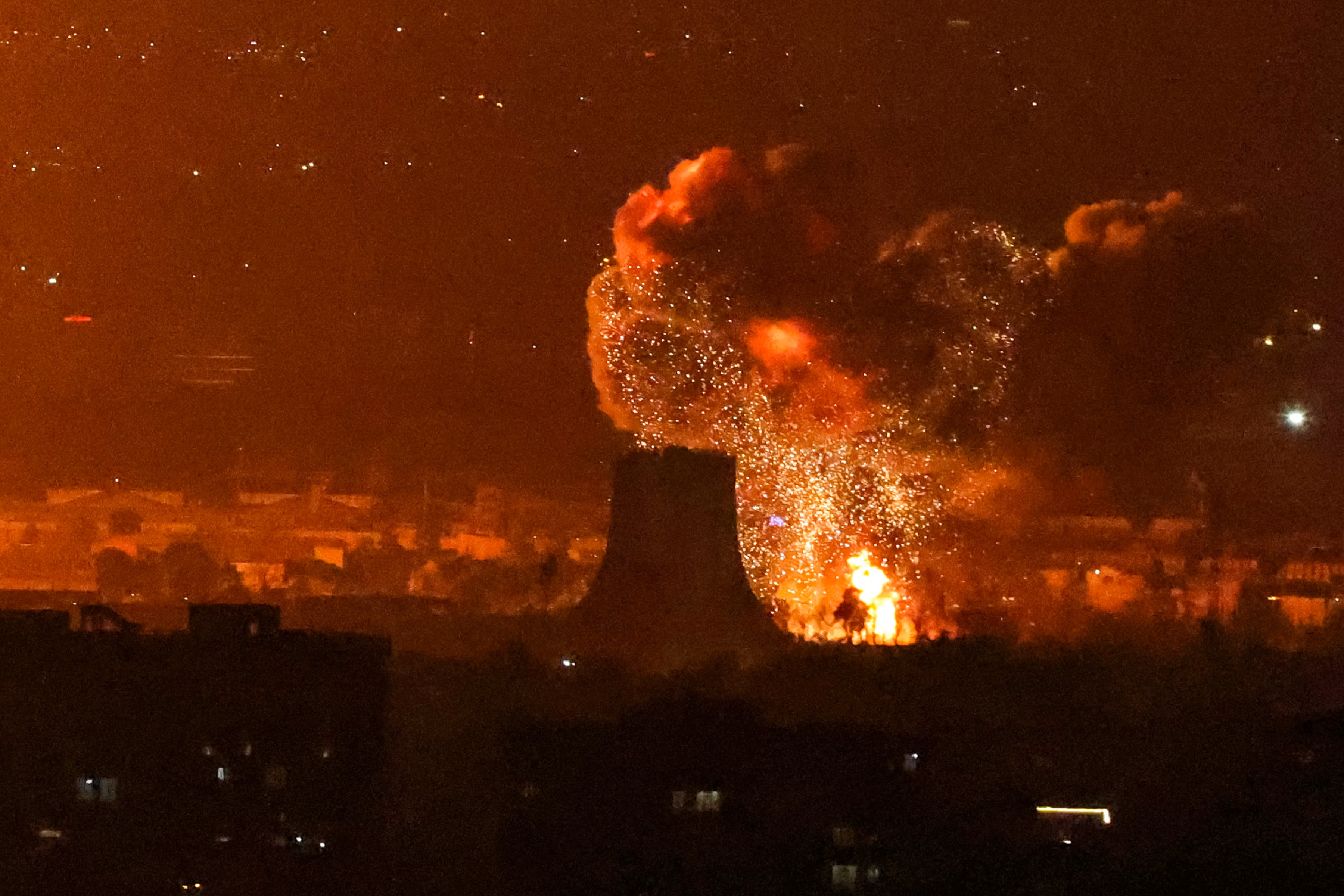
An explosion erupts following strikes near Azadi Tower close to Mehrabad International Airport in Tehran (AFP via Getty Images)
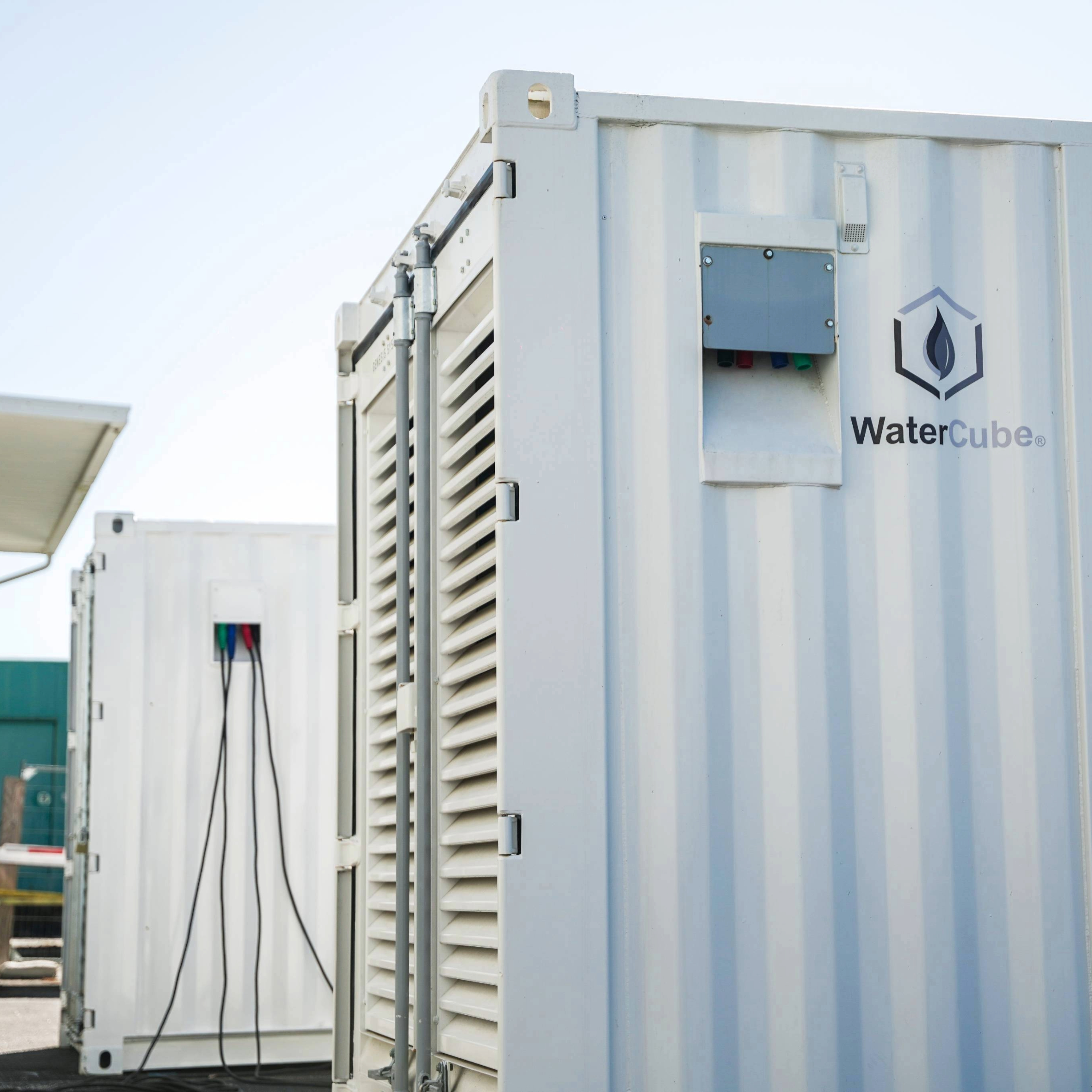
WaterCube 1000 is a community-scale atmospheric water generator system that makes 1,500+ U.S. gallons a day from air - preparing to deploy to the Middle East to support health and hydration.
Genesis Systems readies the deployment of 250 WaterCube units to make water from air as centralized water systems and desalination plants are threatened by Iran
At a moment when centralized water systems are increasingly vulnerable to disruption, targeting, or collapse, Genesis Systems is moving to place decentralized, independent water production directly into the hands of nations, responders, and communities at risk around the world.
"Water must not be used as a weapon against the innocent," said Shannon Stuckenberg. "If this occurs, Genesis Systems is committed to mitigating the stresses and pressures caused by current or future disruptions. Our systems make water from air anywhere outside polar regions and are reliably used by the U.S. military on four continents, including around the Gulf region."
A Region Dependent on Fragile Systems
Across the MENA region, an estimated 300 to 400 million people rely in part on desalination infrastructure for their daily water supply—particularly in Gulf nations where, in some countries, more than 90% of potable fresh water is produced from seawater.
This dependence creates a critical vulnerability.
As recently reported by The New York Times, "In the Gulf, desalination facilities are not merely infrastructure… They are essential lifelines that supply drinking water to millions. Striking them risks turning a military confrontation into a direct threat to civilian survival."
Recent events have reinforced and confirmed the warning that centralized water supplies are increasingly vulnerable to disruption. A reported strike impacting desalination infrastructure in Bahrain highlighted how quickly water production capability can be threatened when centralized systems are exposed. Even limited disruption to desalination capacity can cascade rapidly—impacting drinking water availability, sanitation, healthcare operations, and broader civil stability within days.
In modern conflict, water is no longer collateral risk—it can be a strategic pressure point used to bend the will of populations and states.
Designed for Conflict. Proven in Crisis.
WaterCube® atmospheric water generation systems were purpose-built for exactly these conditions—where centralized infrastructure becomes the focal point of disruption. Developed through years of collaboration with U.S. defense and national research institutions, the systems operate independently of pipelines, grids, or logistics chains, producing clean drinking water directly from the air at the point of need. WaterCubes are manufactured in the United States.
They are the most awarded water systems in the world and the only atmospheric water generators to meet or exceed the U.S. military's Gold Standard for drinking water (TB MED-577) following rigorous, real-world testing and validation around the globe.
This is not theoretical capability—it is operational reality.
WaterCube® systems are currently deployed by the U.S. Air Force and other defense organizations across four continents, supporting contested logistics, forward operations, and resilient infrastructure strategies where failure is not an option.
From Florida Hurricanes to Pacific Typhoons
Genesis Systems' humanitarian mobilization is grounded in repeated real-world deployments where WaterCube® has reliably delivered under extreme conditions.
Following Typhoon Mawar, WaterCube® systems were used to provide potable water in Pacific Island communities cut off from traditional infrastructure.
In the United States, WaterCube® supported disaster response efforts tied to Hurricane Milton, aligning with state-level priorities in Florida to provide accessible, resilient water sources as centralized systems were strained. In Florida, the deployment prevented the evacuation of a large Children's hospital.
Most recently, installations across Hawaii are projected to support tens of thousands of people through public access water points—demonstrating the scalability of decentralized water in isolated and infrastructure-stressed environments.
Across each of these events, one reality has remained constant: when infrastructure fails, water becomes the first and most urgent crisis.
A Direct Response to Emerging Threats
The release of up to 250 systems is a direct response to the increasing normalization of infrastructure targeting in modern conflict. Water systems—once assumed protected—are now recognized as high-value, high-impact targets. These systems will move to the front of the production line and be prioritized for regional delivery if and when needed.
Genesis Systems' approach is simple: eliminate the vulnerability posed by legacy fresh water supplies.
By decentralizing production, WaterCube® removes reliance on fragile networks and creates resilient, distributed sources of potable water that cannot be easily disrupted at scale.
"Centralized water systems like desalination and municipal water plants are used daily by millions of people—but increasingly vulnerable and exposed in conflict or disasters," Stuckenberg added. "Decentralized water is how societies can become resilient and withstand shocks."
Immediate Availability for Humanitarian Deployment
The 250 WaterCube® systems are being made available for immediate production in the U.S. and prioritized for delivery to Middle East nations, humanitarian organizations, and international partners seeking to safeguard civilian populations and maintain continuity of life-supporting resources.
Genesis Systems is actively coordinating deployment pathways and encourages entities requiring systems to engage immediately.
This effort is deeply humanitarian-driven and is designed to soften the impacts of instability, protect non-combatants, minimize suffering, and preserve access to life's most essential resource: fresh water. Humans die in just three days without water. Many states in the Middle East have just hours of water reserves if and when they lose centralized production capacity. WaterCube® air-to-water systems can provide point water production allowing local populations to make water wherever it is needed.
If you would like to help support this effort or connect the effort to a community, please contact Genesis Systems directly. You will receive a rapid response.
About Genesis Systems
Genesis Systems is a U.S.-based water technology company and the creator of WaterCube® air to water generators; decentralized, uninterruptible water infrastructure designed to produce clean drinking water directly from air. Developed through nearly a decade of collaboration with the U.S. Air Force, U.S. Army research laboratories, and leading scientific institutions, WaterCube® systems are engineered to operate in extreme, austere, and contested environments.
Genesis Systems' technologies are deployed globally across defense, disaster response, and commercial applications, supporting water security for communities, critical infrastructure, and military operations on multiple continents. The company's mission is to ensure resilient, independent access to water—anywhere it is needed.
Media Relations
Genesis Systems
+1 877-692-8375
email us here
Visit us on social media:
LinkedIn
Instagram
Facebook
YouTube
TikTok
X
Legal Disclaimer:
EIN Presswire provides this news content "as is" without warranty of any kind. We do not accept any responsibility or liability for the accuracy, content, images, videos, licenses, completeness, legality, or reliability of the information contained in this article. If you have any complaints or copyright issues related to this article, kindly contact the author above.
