

Crab Meat Market to Reach US$1,691.6M by 2033, Driven by Rising Seafood Demand
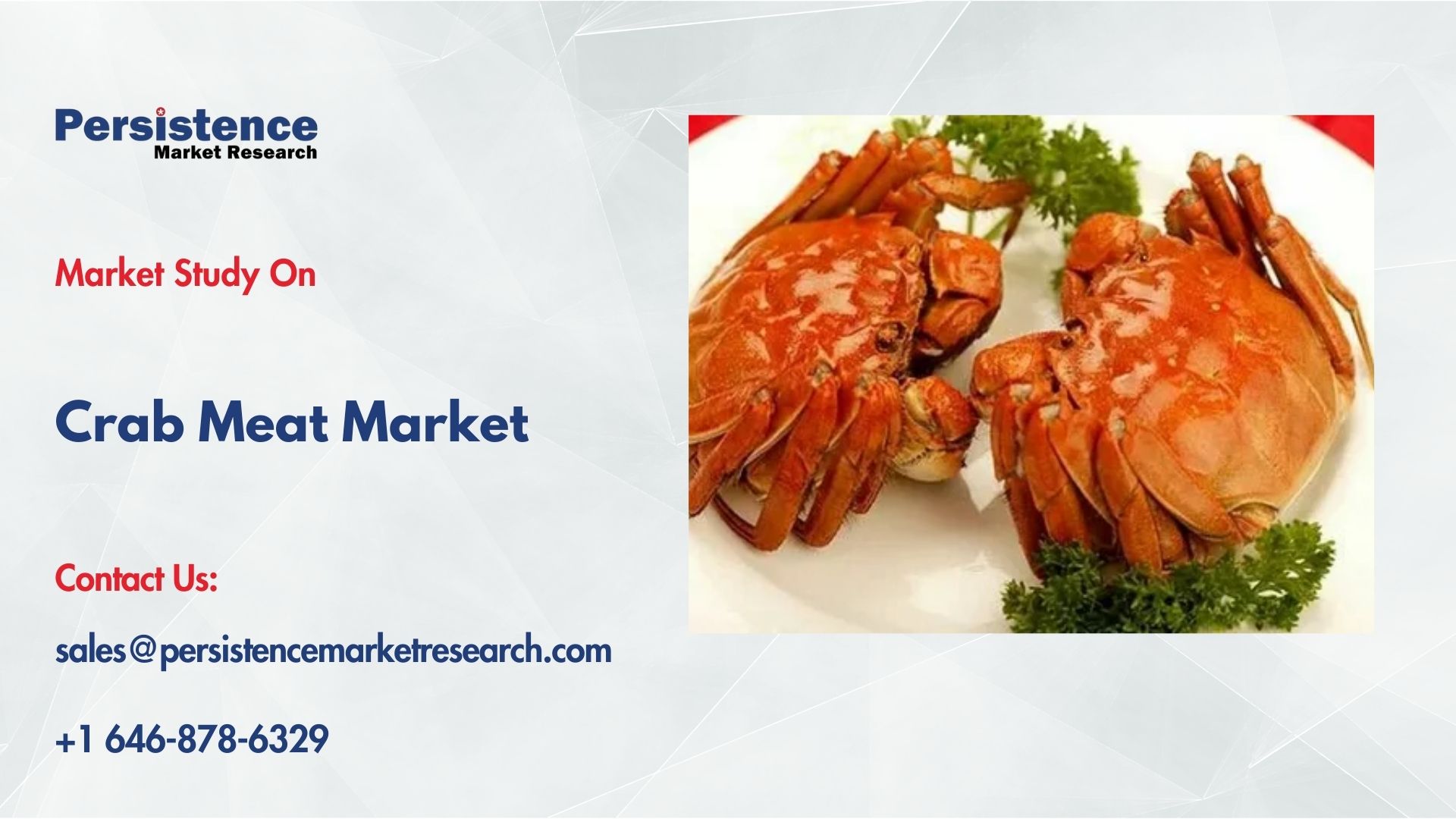
The global crab meat market is set to reach US$1.19 Bn in 2026 and grow at a 5.1% CAGR, hitting US$1.69 Bn by 2033, driven by rising seafood demand globally
BRENTFORD, ENGLAND, UNITED KINGDOM, March 2, 2026 /EINPresswire.com/ -- The global crab meat market is poised for steady expansion over the forecast period, supported by rising seafood consumption, evolving dietary preferences, and the growing popularity of premium protein sources. The market is likely to be valued at US$ 1,194.2 million in 2026 and is projected to reach US$ 1,691.6 million by 2033, expanding at a compound annual growth rate (CAGR) of 5.1% during the forecast period from 2026 to 2033. This consistent growth trajectory reflects increasing demand across foodservice, retail, and food processing sectors, alongside the expansion of global seafood trade networks.
Market growth is primarily driven by the rising consumer inclination toward high-protein, low-fat diets and increasing awareness of the nutritional benefits of seafood. Crab meat is widely recognized for its rich protein content, omega-3 fatty acids, vitamins, and essential minerals. Additionally, growing urbanization and rising disposable incomes are encouraging consumers to explore premium and ready-to-cook seafood options. The expansion of cold chain infrastructure and improvements in aquaculture practices are further strengthening supply chains, ensuring product freshness and wider market accessibility. Furthermore, increasing globalization of cuisines and the popularity of seafood-based dishes in restaurants and quick-service establishments are supporting demand growth.
Get Your FREE Sample Report Instantly – Click Now: https://www.persistencemarketresearch.com/samples/33991
Segmentation Analysis
By Product Type
• Lump Crab Meat
• Claw Crab Meat
• Backfin Crab Meat
By Form
• Fresh
• Frozen
• Canned/Preserved
By Distribution Channel
• B2B
• B2C
o Hypermarkets/Supermarkets
o Specialty Stores
o Convenience Stores
o Online Retail
o Others
Need Tailored Insights? Request Customization Now: https://www.persistencemarketresearch.com/request-customization/33991
Regional Insights
North America remains a leading region in the global crab meat market, driven by high seafood consumption, strong domestic harvesting, and established culinary traditions. The United States, in particular, represents a significant contributor due to its robust demand across both foodservice and retail sectors. Investments in sustainable fisheries management and aquaculture development are reinforcing long-term supply stability in the region.
Asia-Pacific is projected to dominate the global market in terms of both production and consumption. Countries such as China, Japan, South Korea, and Southeast Asian nations play pivotal roles in cultivation, processing, and export activities. The region benefits from abundant coastal resources, well-developed seafood processing industries, and strong domestic demand. Rapid urbanization, expanding middle-class populations, and increasing integration of seafood into daily diets are further accelerating growth.
Europe holds a substantial share, supported by high per capita seafood consumption and strong import demand. Mediterranean countries, in particular, contribute significantly to regional consumption trends. Stringent food safety standards and traceability regulations in the region are encouraging suppliers to adopt advanced quality assurance practices.
The fastest-growing region is anticipated to be Asia-Pacific, owing to expanding aquaculture infrastructure, rising export opportunities, and growing regional demand for premium seafood products. Government support for sustainable fisheries and modernization of processing facilities are also contributing to rapid regional development.
Unique Features and Innovations in the Market
The crab meat market is undergoing significant transformation through technological advancements in harvesting, processing, and distribution. Modern processing facilities are leveraging automated sorting, cleaning, and packaging systems to enhance efficiency and maintain hygiene standards. Vacuum-sealed and modified atmosphere packaging technologies are extending shelf life while preserving freshness and flavor.
Artificial intelligence (AI) and Internet of Things (IoT) solutions are being increasingly adopted to improve supply chain transparency and traceability. IoT-enabled sensors monitor temperature and humidity levels throughout transportation, ensuring product integrity. AI-driven demand forecasting tools are helping companies optimize inventory management and reduce waste. These technologies collectively enhance operational efficiency and minimize losses associated with spoilage.
Additionally, sustainability-driven innovations such as eco-friendly fishing gear, responsible aquaculture practices, and certification programs are shaping market dynamics. Companies are investing in traceability platforms to provide consumers with transparent information regarding sourcing and environmental impact. Enhanced connectivity infrastructure supports real-time tracking and data sharing across global distribution networks, strengthening supply chain reliability.
Market Highlights
The crab meat market is benefiting from several macroeconomic and industry-specific factors. Rising health awareness and demand for high-protein diets are encouraging greater seafood consumption. Consumers increasingly perceive crab meat as a premium yet nutritious protein option suitable for balanced diets.
Regulatory frameworks promoting sustainable fishing practices and seafood safety standards are positively influencing market growth by enhancing consumer confidence. Governments and industry associations are working collaboratively to ensure compliance with international trade regulations, quality certifications, and environmental conservation guidelines. These initiatives are supporting long-term market sustainability.
Cost efficiencies achieved through improved aquaculture techniques and mechanized processing are helping stabilize prices and expand accessibility. Moreover, sustainability initiatives, including responsible harvesting and reduced bycatch practices, are aligning industry operations with global environmental goals, thereby attracting environmentally conscious consumers and investors.
Secure Your Full Report – Proceed to Checkout: https://www.persistencemarketresearch.com/checkout/33991
Key Players and Competitive Landscape
• Trident Seafoods
• Harbour House Crabs
• Phillips Foods, Inc.
• High Liner Foods
• Thai Union Group PCL
• Almar
• Trans-Ocean Products
• Pacific Seafood
• East Coast Seafood Company
• Nissui
• Maruha Nichiro Corporation
• Zhangzidao Fishery Group HK Co.,Ltd
• Others
In conclusion, the global crab meat market is set to experience consistent growth through 2033, driven by rising seafood demand, technological advancements, sustainability initiatives, and expanding global trade. Industry stakeholders that prioritize quality assurance, digital transformation, and responsible sourcing are likely to capitalize on emerging growth opportunities and maintain a competitive edge in the evolving marketplace.
Explore the Latest Trending Research Reports:
Protective Cultures Market
Potato Starch Market
Aishwarya Doiphode
Persistence Market Research
+1 646-878-6329
email us here
Visit us on social media:
LinkedIn
Instagram
YouTube
X
Legal Disclaimer:
EIN Presswire provides this news content "as is" without warranty of any kind. We do not accept any responsibility or liability for the accuracy, content, images, videos, licenses, completeness, legality, or reliability of the information contained in this article. If you have any complaints or copyright issues related to this article, kindly contact the author above.
