

STC condemns escalating attacks and foreign interference, reaffirms right of Southern people to self-determination
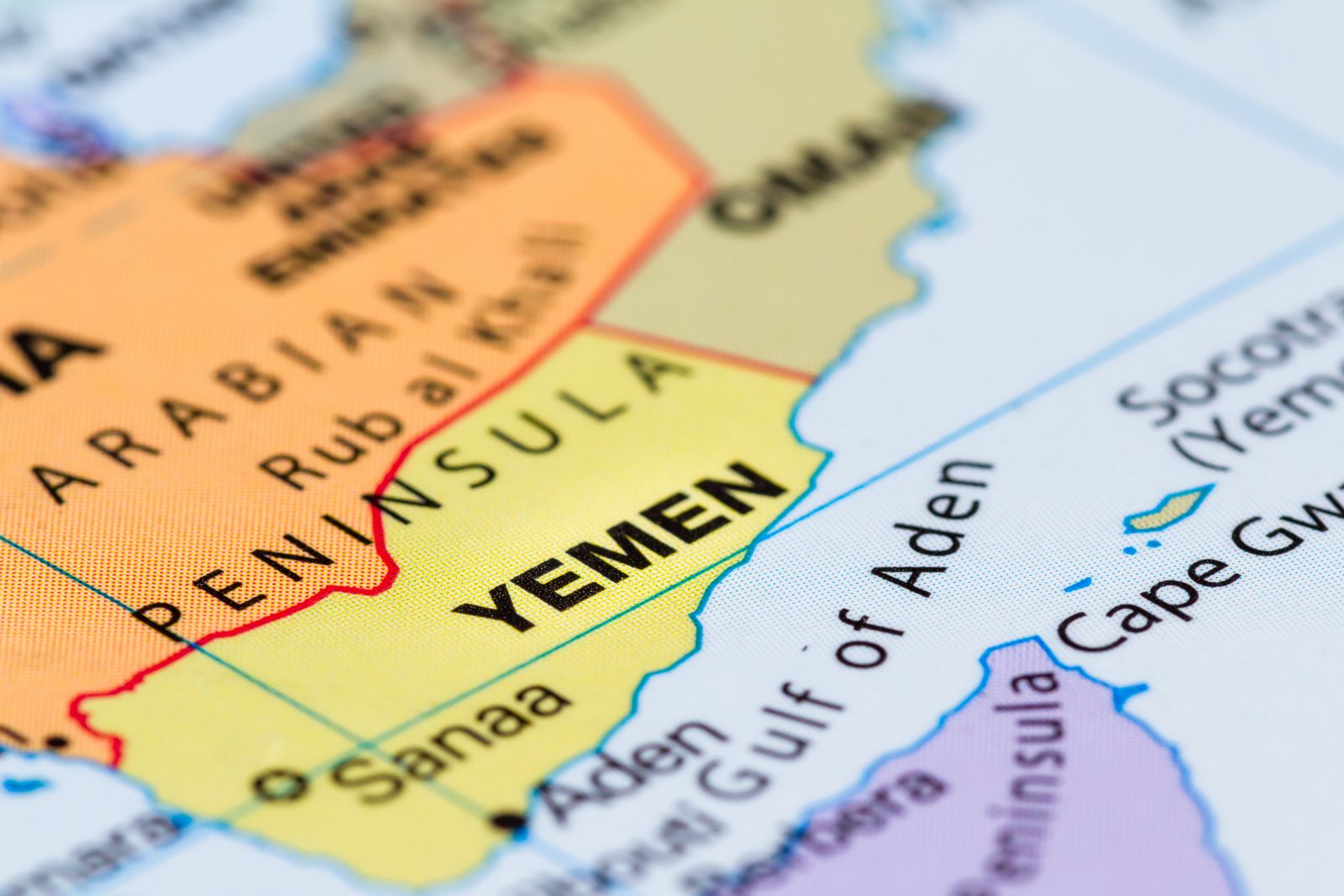
Closeup of a map of Yemen
Our intentions have always been clear for years and that is to establish an independent state. We haven’t tried to fool anyone”
ADEN, YEMEN, January 5, 2026 /EINPresswire.com/ -- The Southern Transitional Council (STC) has issued a strong condemnation of the latest wave of military incursions, armed attacks and destabilising actions targeting southern Yemen, warning that these developments represent a dangerous escalation that threatens civilian lives, regional stability and the internationally recognised right of peoples to self-determination.— Anwar Al-Tamimi
The STC said recent operations by northern emergency forces, accompanied by armed elements linked to extremist networks, amount to an organised military invasion of the south, carried out under the pretext of security but driven by political hostility toward the southern people and their legitimate aspirations.
“These actions are not isolated security measures. They are a sustained attempt to impose control through force, undermine local authority, and suppress the clearly expressed will of the southern population,” the Council said in a statement as Saudi warplanes on Friday bombed camps and military positions held by the STC in Hadramout province with Saudi-backed fighters trying to seize facilities. It was the latest direct intervention by Saudi Arabia, which in recent weeks has bombed STC forces and struck what is said was a shipment of weapons destined for the them.
STC reaffirms clear and long-standing position
Speaking to a top global news network, Anwar al-Tamimi, official spokesperson for the Southern Transitional Council, reiterated that the Council has never concealed its objectives. “Our intentions have always been clear for years and that is to establish an independent state. We haven’t tried to fool anyone,” al-Tamimi said as the STC announced a constitution for an independent nation in the south the same day, demanding other factions in the war-torn country to accept the move. “It is the right of the people of the south to choose their fate. Unfortunately, many in the region have tried to stand in our way.”
The head of the STC, Aidarous al-Zubaid, issued a video statement Friday saying that the constitution his group issued would be in effect for two years, after which a a referendum would be held on “exercising the right to self-determination for the people of the South.” During those two years, he said, the “relevant parties” in north and south Yemen should hold a dialogue on “a path and mechanisms that guarantee the right of the people of the South.”
Al-Tamimi stressed that an independent southern state would contribute to — not undermine — regional security. “We will have stability and will not be a source of terrorism that threatens our neighbours,” he said, rejecting claims that southern self-rule would endanger Saudi Arabia’s national security.
Condemnation of Diplomatic overreach
On Saturday, the STC welcomed an offer of dialogue from Saudi Arabia, days after Riyadh launched a series of deadly strikes against STC positions in southern Yemen. The STC said in a statement that the Saudi Arabian initiative was a “genuine opportunity for serious dialogue” that could safeguard “the aspirations of the southern people”. The statement came just hours after the Saudi Ministry of Foreign Affairs called on southern Yemeni factions to participate in a forum in Riyadh to “formulate a comprehensive vision for fair solutions to the southern cause”.
Earlier, the STC had also strongly criticised recent public statements made by Saudi Ambassador to Yemen Mohammed Al Jaber, describing them as a clear overstep of diplomatic norms and an unacceptable attack on the southern people and their national cause.
In a formal response, the Council stated that the ambassador’s remarks contained false accusations against President Aidarous Al-Zubaidi, a widely supported southern leader, and reflected a dismissive tone incompatible with diplomatic responsibility. “Attacking political leaders who represent the will of their people is a blatant departure from diplomatic and political norms,” the statement said, adding that President Al-Zubaidi is leading an entire population toward a strategic objective rooted in history, legitimacy, and popular mandate.
The STC rejected claims regarding civil aviation and access to Aden, stating that it was external actors who imposed air and sea restrictions on the south, not southern authorities.
Security reality on the ground
The Council stressed that southern forces remain on the front lines against Al-Qaeda cells, arms-smuggling networks, and cross-border militant infiltration, and that stability in the south has been achieved despite the absence of effective central institutions, not because of them.
Recent military operations in Abyan, Hadramout and surrounding areas were described as defensive and preventative measures aimed at protecting civilians and securing vital trade and maritime corridors.
Circulating video footage on social media, the STC said, documents the scale of the current military pressure on southern areas and highlights the human cost of continued interference and escalation.
Call to the International Community
The STC urged international actors, media organisations, and policymakers to engage with the reality on the ground and to recognise that the southern question is central to any durable peace in Yemen.
“This is a struggle for dignity, security, and self-determination,” the statement said. “Ignoring the southern people’s rights will only prolong conflict and instability — not contain it.”
Anwar Al-Tamimi
Southern Transitional Council (STC)
email us here
Legal Disclaimer:
EIN Presswire provides this news content "as is" without warranty of any kind. We do not accept any responsibility or liability for the accuracy, content, images, videos, licenses, completeness, legality, or reliability of the information contained in this article. If you have any complaints or copyright issues related to this article, kindly contact the author above.
